

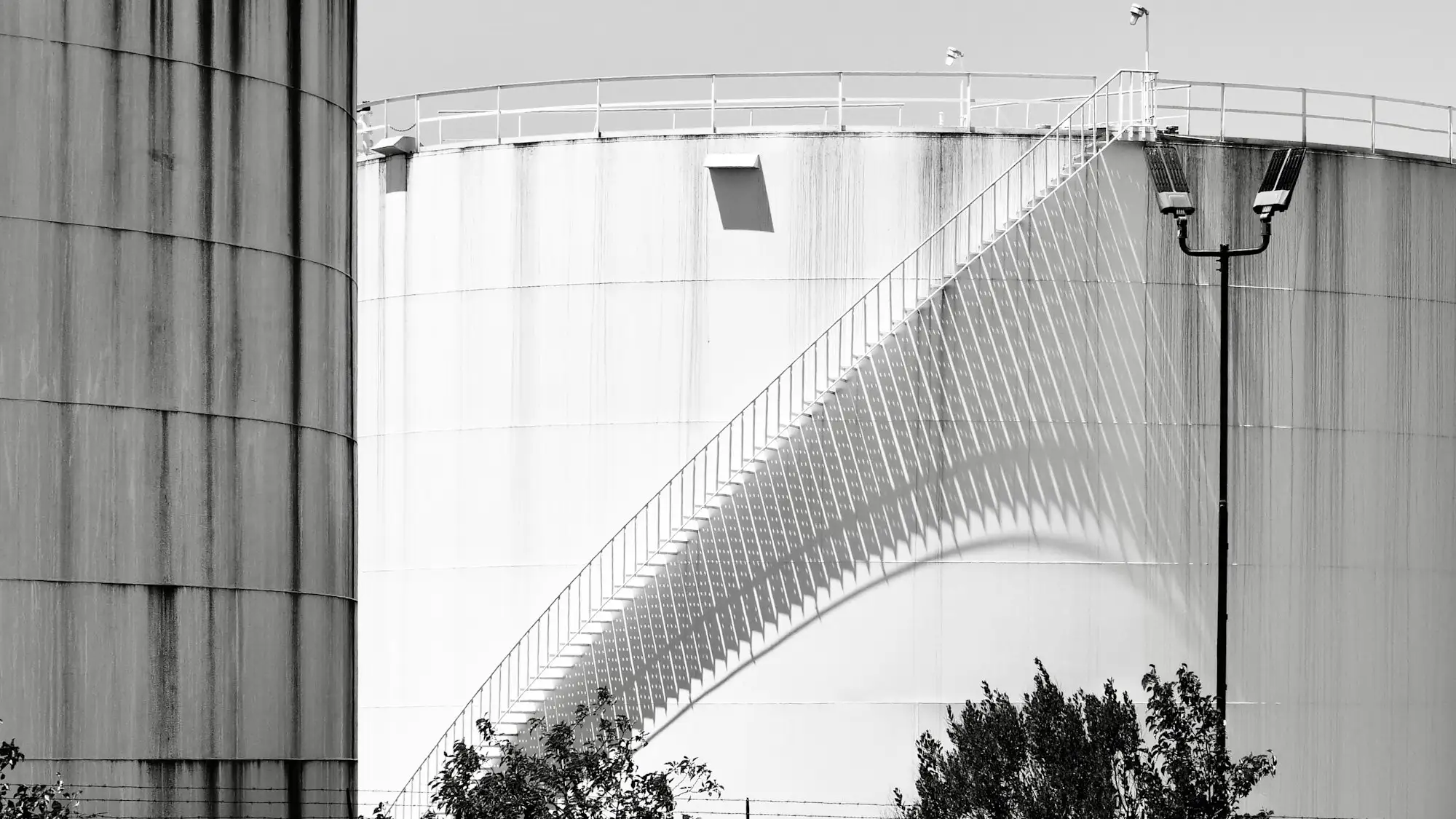
Energy
LPG sourcing and trading
ROXAY Trading sources and trades liquefied petroleum gas (LPG) — propane, butane and their mixes — for importers, distributors and industrial consumers.
At a glance
- Category
- Energy
- Typical buyers
- Importers, distributors, industrial consumers, blenders
- Specification drivers
- Propane / butane ratio, purity, vapour pressure
- Common Incoterms
- FOB, CIF, CFR — set per transaction
- Priority markets
- China, India, Pakistan, Africa, wider Asia
Liquefied petroleum gas is propane, butane, or a mix of the two, held as a liquid under moderate pressure. Unlike LNG it does not need cryogenic handling — pressure alone is enough — which is why LPG moves through a far wider range of vessels, terminals and storage than any other liquefied gas.
ROXAY Trading sources and trades LPG for importers, distributors and industrial consumers.
Propane, butane, and why the ratio matters
LPG is not one specification. Propane vaporises readily at low temperature; butane carries more energy per unit volume but stops vaporising reliably as temperatures fall. The workable mix therefore depends on where the product is going and what it is doing there.
A cargo blended for a warm-climate cooking market will not perform the same way in a cold-season industrial application. This is why an LPG enquiry that states only “LPG” has to be narrowed before supply can be qualified.
Where the demand sits
LPG demand is unusually broad. It is a domestic cooking and heating fuel across much of Asia and Africa, an industrial process fuel where a clean, transportable energy source is needed, and a petrochemical feedstock where propane feeds dehydrogenation units.
The markets ROXAY focuses on are import-dependent for most of that volume, and buyers there are usually managing continuity for a distribution network rather than buying a single opportunistic cargo.
What a buyer needs to define
- Product split — propane, butane, or the required ratio.
- Specification — purity, vapour pressure and any local standard the destination enforces.
- Volume and cadence — per cargo, and whether the requirement repeats.
- Receiving point — discharge port or terminal, and its pressurised or refrigerated storage capability.
- Incoterm — whether shipping sits with the buyer or the seller.
How ROXAY handles an LPG trade
We narrow the specification first, qualify supply able to meet it consistently, then structure the commercial terms and coordinate the delivery sequence against the agreed Incoterm.
Origin countries, suppliers and routes are not published.
Questions buyers ask
What is the difference between LPG and LNG?
They are different products. LNG is natural gas — mostly methane — cooled to a liquid at around minus 162 degrees Celsius. LPG is propane, butane or a mix of the two, liquefied under moderate pressure at ambient temperature. They serve different uses and move through entirely different supply chains.
Does ROXAY supply propane, butane or a mix?
All three are possible. The propane-to-butane ratio is set by the buyer's climate, application and local specification — butane performs poorly at low temperature, so the workable mix differs by destination and season.
What information is needed to quote an LPG requirement?
The product split between propane and butane, the volume, the discharge port or receiving terminal, the delivery window and the preferred Incoterm. Any local specification standard the destination applies should be stated at enquiry stage.
Who buys LPG through ROXAY Trading?
Typical buyers are importers and distributors supplying domestic and commercial markets, industrial consumers using LPG as process fuel, and blenders preparing product to a local specification.
More in Energy
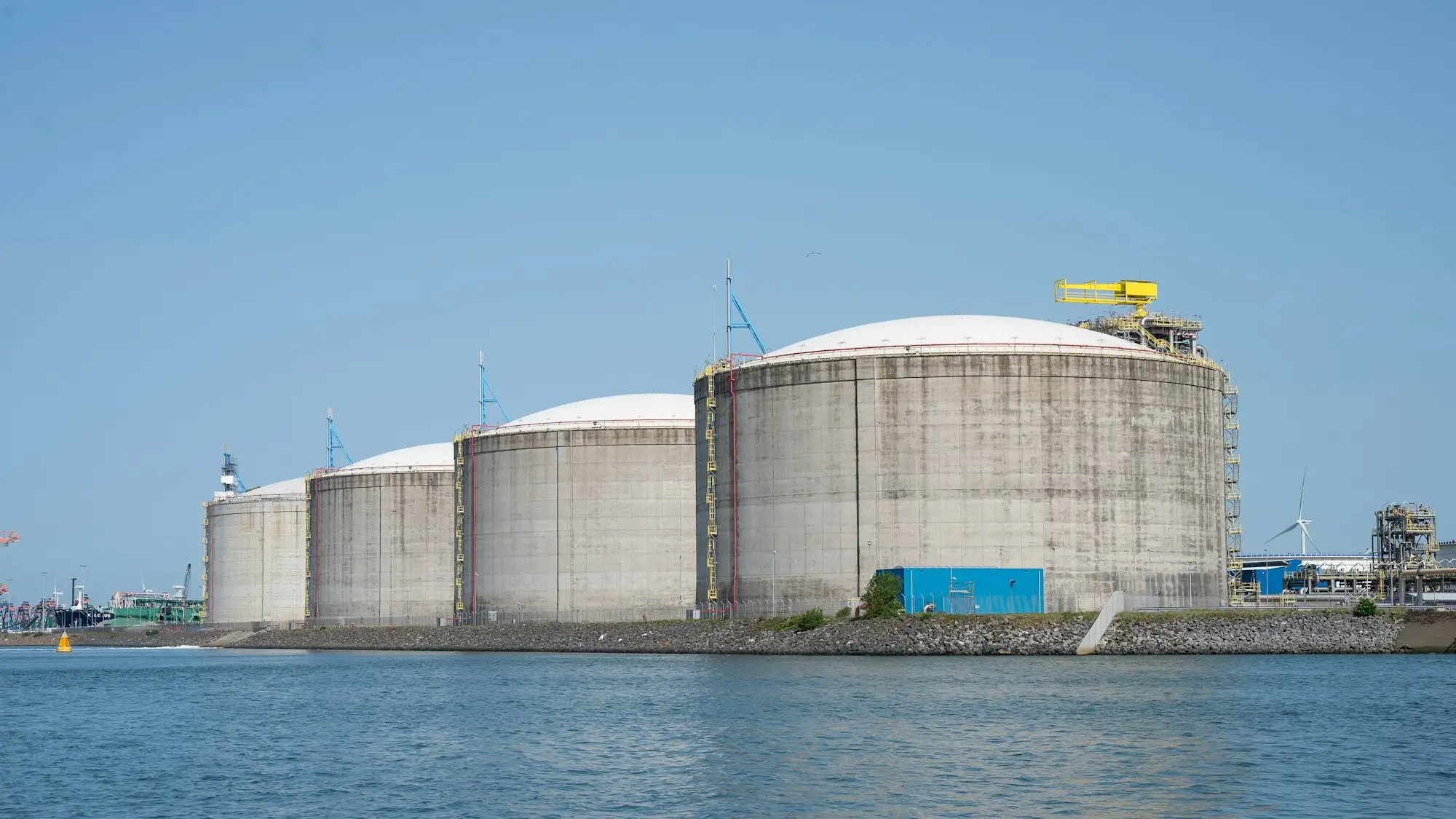
LNG
ROXAY Trading sources and trades liquefied natural gas (LNG) for importers, power utilities and industrial consumers in markets that receive gas by sea.
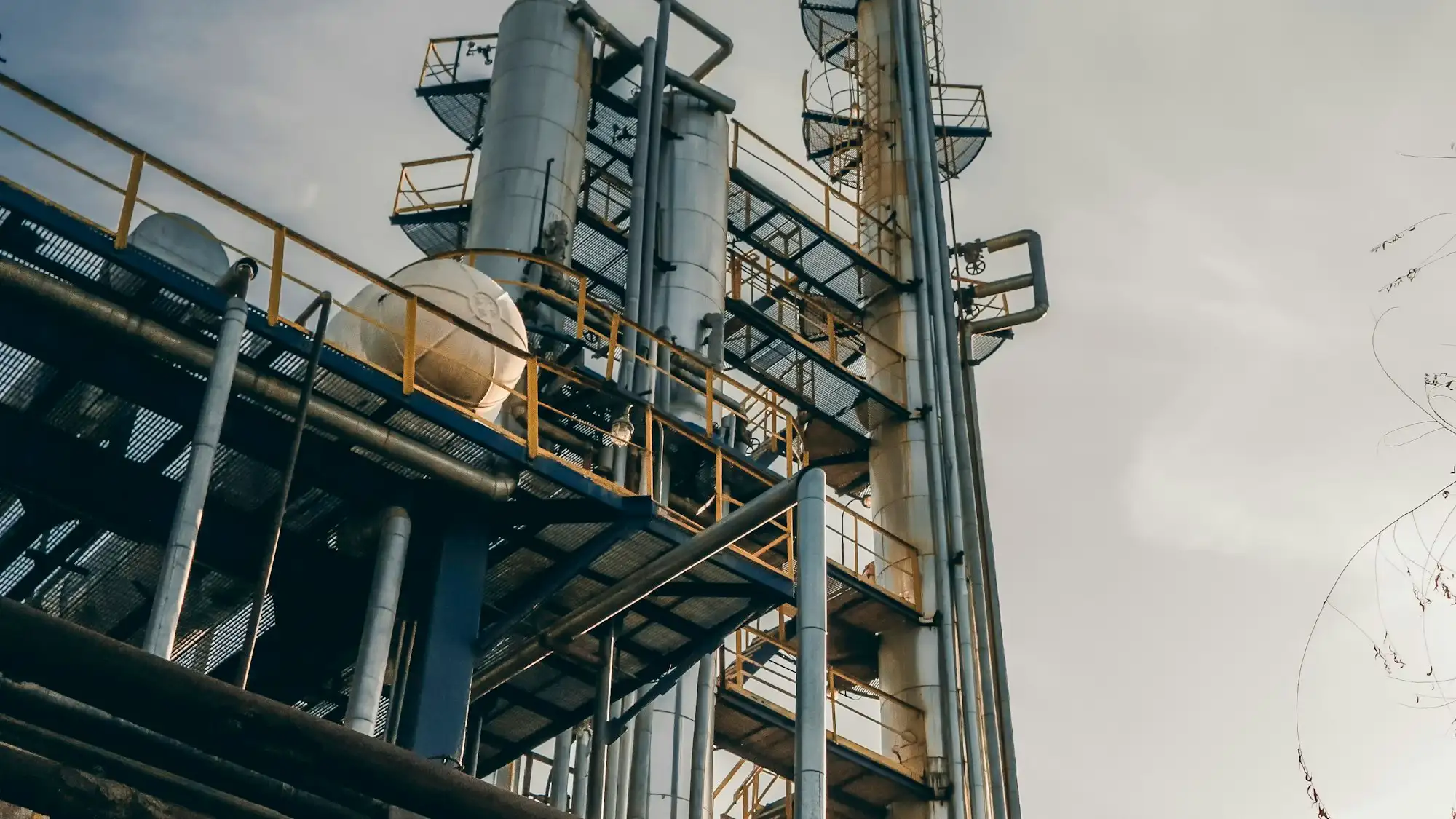
Natural Gas
ROXAY Trading sources and trades natural gas for industrial consumers, power generators and importers, alongside LNG and other energy and hydrocarbon products.