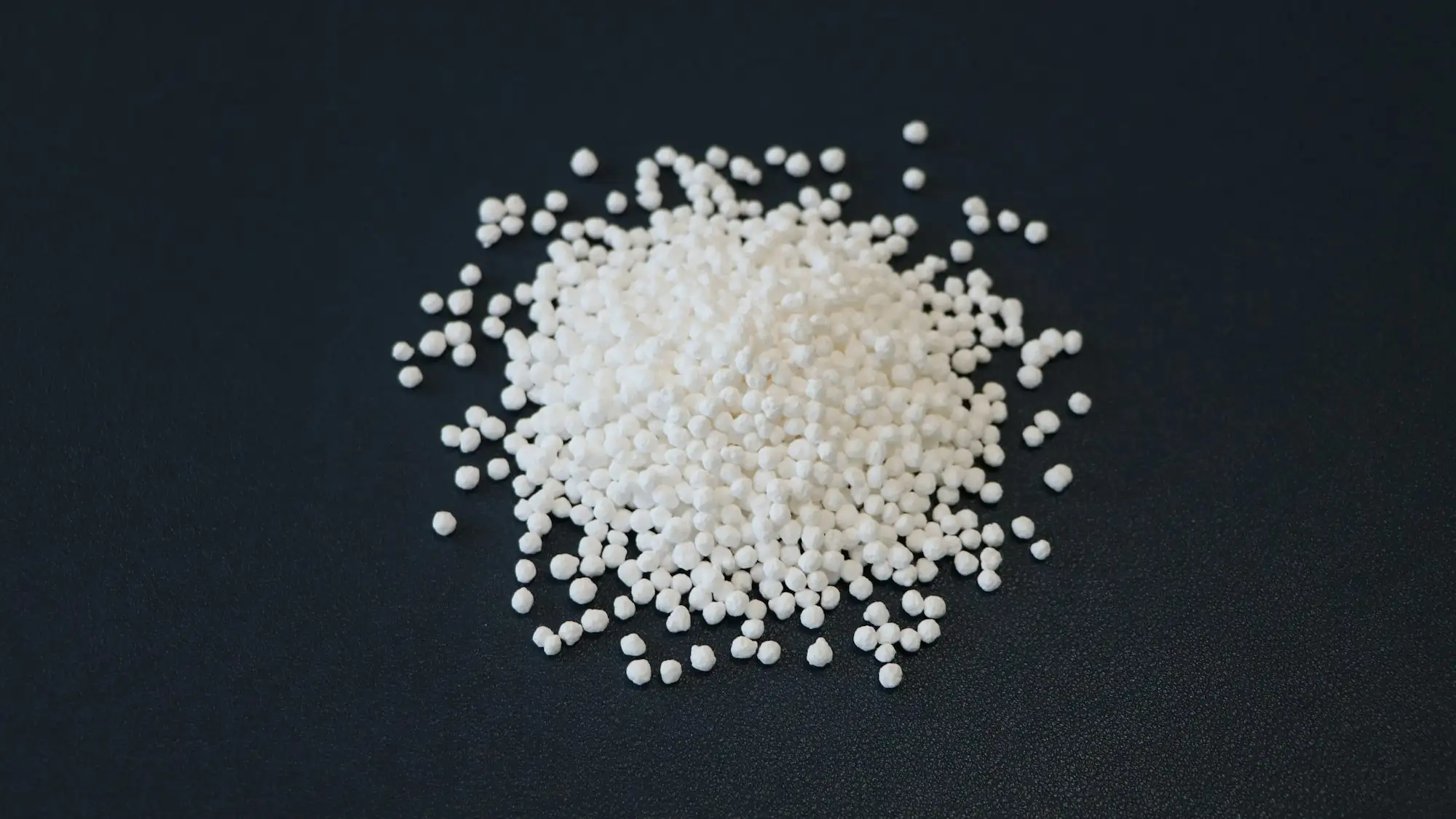


Polymers
Polyethylene (PE) sourcing and trading
ROXAY Trading sources and trades polyethylene across HDPE, LDPE and LLDPE families for film, pipe, moulding and packaging converters.
At a glance
- Category
- Polymers
- Typical buyers
- Film and pipe converters, packaging producers, compounders, distributors
- Specification drivers
- Density family (HDPE / LDPE / LLDPE), melt flow index, application
- Common Incoterms
- FOB, CIF, CFR — set per transaction
- Priority markets
- China, India, Pakistan, Africa, wider Asia
Polyethylene is the most widely produced polymer in the world, and the raw material behind a large share of packaging, pipe and moulded goods. ROXAY Trading sources and trades PE for converters, compounders and distributors.
Three families, three behaviours
Polyethylene divides by density, and the divisions are not cosmetic:
- HDPE — high density, linear structure, rigid and chemically resistant. Containers, caps, pressure pipe, industrial mouldings.
- LDPE — low density, heavily branched, soft and clear. Flexible film, liners, coatings.
- LLDPE — linear low density, combining flexibility with higher tensile and tear strength. Stretch film, agricultural film, packaging.
A converter cannot substitute freely across these. A film line configured for LLDPE will not simply run HDPE, and the reverse is equally true.
Melt flow index is not a detail
Within a family, melt flow index determines processability. It describes how readily the polymer flows when molten, and therefore whether it suits extrusion, blow moulding or injection moulding on a specific machine.
This is the variable most often omitted from an enquiry and most often responsible for a rejected delivery. Material that is correct on density and wrong on MFI is, in practice, the wrong material.
What a buyer needs to define
Density family and specific grade, melt flow index, application, packaging format, volume per shipment and whether the requirement repeats, discharge port and preferred Incoterm.
How ROXAY handles a PE trade
We narrow the enquiry to a defined grade before qualifying supply, then assess which sources can produce it consistently at the required volume and cadence. Commercial terms, packaging, documentation and delivery are structured from there.
Producers, origin countries and routes are not published.
Questions buyers ask
Which polyethylene grades does ROXAY Trading supply?
Sourcing covers the HDPE, LDPE and LLDPE families and is qualified against the specific grade, melt flow index and application the buyer states. Polyethylene is not interchangeable between applications, so the grade has to be defined before supply can be qualified.
What is the difference between HDPE, LDPE and LLDPE?
They differ in molecular branching, which changes stiffness, clarity and processing behaviour. HDPE is denser and more rigid, used for containers and pressure pipe. LDPE is softer and clearer, used for flexible film. LLDPE combines flexibility with higher tear strength and is widely used in stretch and packaging film.
Why is melt flow index asked for at enquiry stage?
Melt flow index describes how the material behaves under heat and pressure, which decides whether it will run correctly on a given line. Material that matches on density but not on melt flow can fail in production even though it is the right grade family.
Can ROXAY supply polyethylene on a recurring monthly basis?
Yes. Converters running continuous lines are typically served on a repeating arrangement, provided the grade and volume profile are stable enough to plan supply against.