

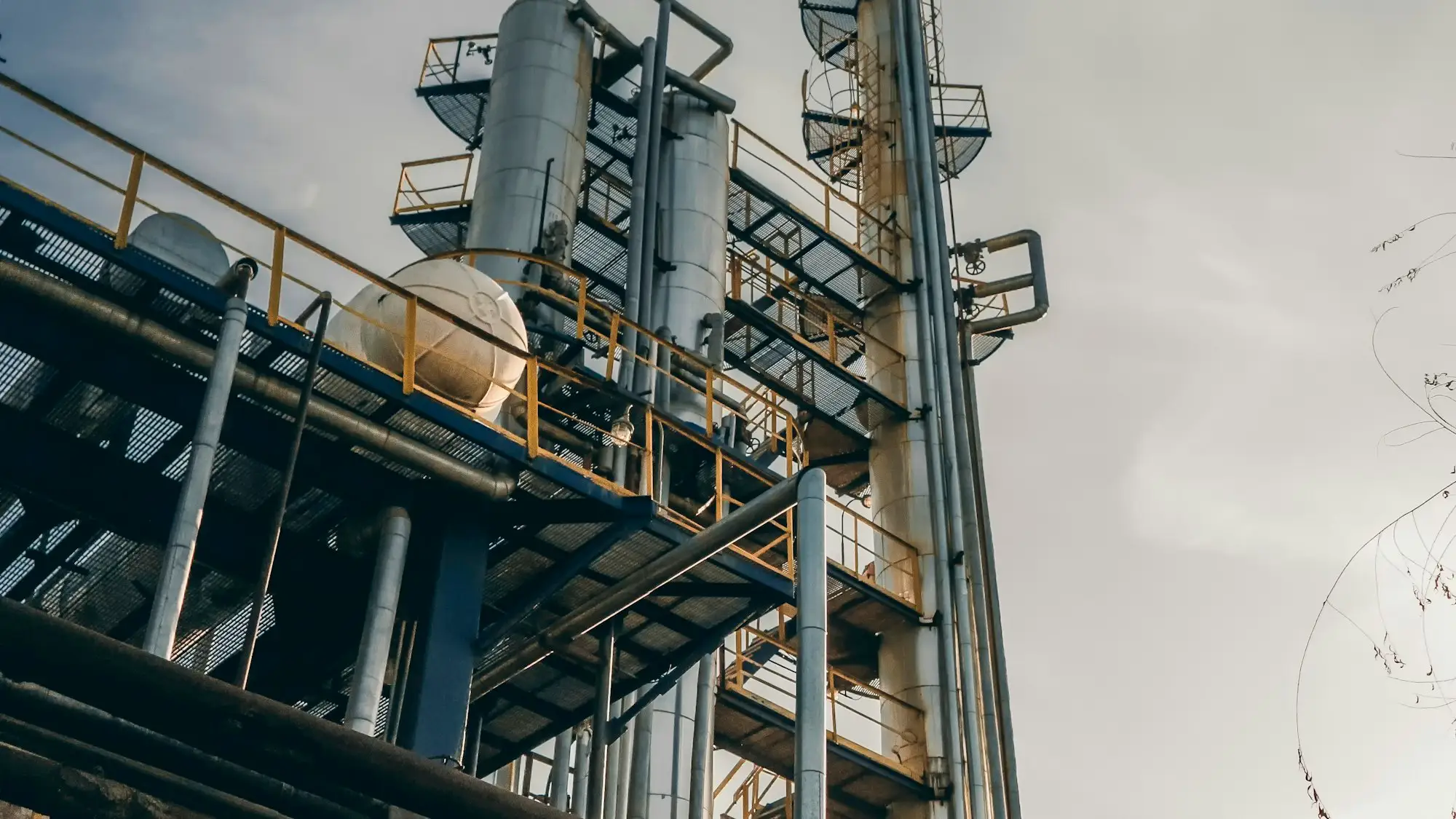
Energy
Natural gas sourcing and trading
ROXAY Trading sources and trades natural gas for industrial consumers, power generators and importers, alongside LNG and other energy and hydrocarbon products.
At a glance
- Category
- Energy
- Typical buyers
- Industrial consumers, power generators, importers, distributors
- Delivery form
- Pipeline supply, or as part of a wider energy requirement
- Common Incoterms
- Agreed per transaction and route
- Priority markets
- China, India, Pakistan, Africa, wider Asia
Natural gas sits at the base of ROXAY Trading’s energy category. It is both an energy source and an industrial feedstock, and for many buyers it is the single input that determines whether a plant runs.
Fuel and feedstock
Two very different requirements are described by the same word.
As a fuel, gas is bought for power generation and for high-temperature industrial processes, where the buyer’s concern is continuity and calorific consistency. As a feedstock, it is the input to fertiliser, methanol and petrochemical production — including, further down the chain, the polymers in ROXAY’s third category. There the specification tolerance is narrower, because composition affects yield.
The distinction matters when an enquiry arrives. A gas requirement without a stated end use cannot be qualified properly, because the two uses do not accept the same material on the same terms.
The infrastructure constraint
Gas is the commodity most tightly bound to physical infrastructure. Pipeline supply requires a connection that already exists; it cannot be created for a single transaction. Where that connection is absent, the requirement becomes an LNG requirement instead — the same molecule, a different chain, and a different set of costs.
For most buyers the practical question is therefore not “gas or LNG” but “what can reach us”. ROXAY qualifies the enquiry against that reality first.
What a buyer needs to define
- End use — fuel or feedstock, and the process it feeds.
- Delivery route — the connection or receiving point available at the destination.
- Volume and profile — quantity, and whether consumption is continuous or seasonal.
- Term — a single requirement or a standing one.
How ROXAY handles a gas enquiry
We assess whether supply matching the specification is available, whether it can physically reach the destination, and what commercial structure both sides can support. Where the requirement is better served as LNG, we say so rather than forcing it into the wrong chain.
Origin countries, suppliers and routes are not published.
Questions buyers ask
What is the difference between buying natural gas and buying LNG?
Natural gas in pipeline form travels through a fixed physical connection and is usually contracted against that network. LNG is the same molecule shipped as a liquid, which removes the need for a pipeline but adds liquefaction, shipping and regasification to the chain. The choice is normally decided by infrastructure rather than preference.
Which buyers source natural gas through ROXAY Trading?
Industrial consumers using gas as fuel or feedstock, power generators, importers and distributors supplying downstream markets, and traders operating between supply and demand.
Does ROXAY handle other energy and hydrocarbon products?
Yes. LNG, LPG and natural gas are the core of the energy category, and other energy and hydrocarbon products are assessed case by case according to market demand and supply availability.
More in Energy
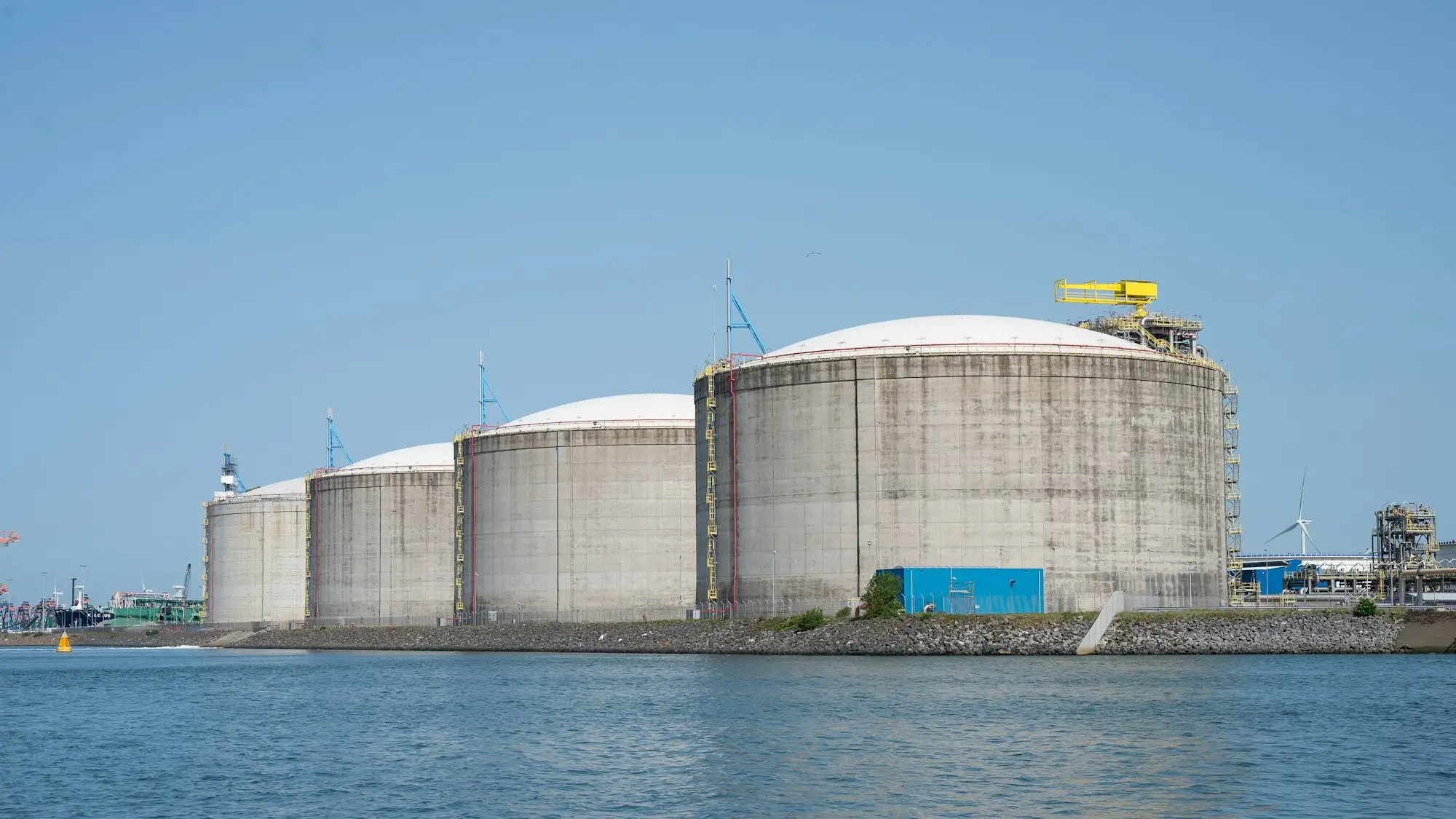
LNG
ROXAY Trading sources and trades liquefied natural gas (LNG) for importers, power utilities and industrial consumers in markets that receive gas by sea.
LPG
ROXAY Trading sources and trades liquefied petroleum gas (LPG) — propane, butane and their mixes — for importers, distributors and industrial consumers.