

Polymers
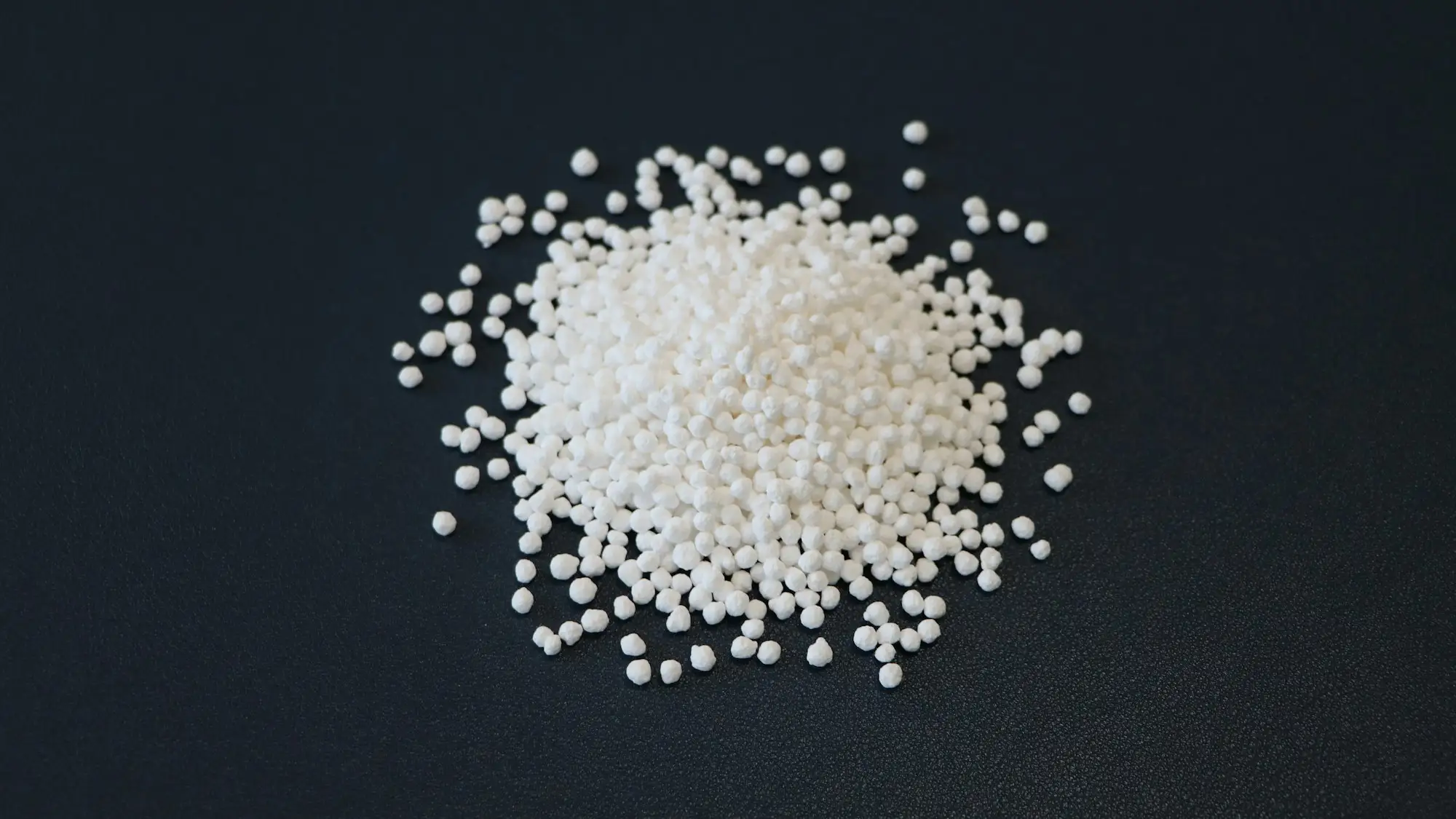
Polypropylene (PP) sourcing and trading
ROXAY Trading sources and trades polypropylene across homopolymer and copolymer grades for injection moulding, fibre, film and compounding applications.
At a glance
- Category
- Polymers
- Typical buyers
- Injection moulders, fibre and film producers, compounders, distributors
- Specification drivers
- Homopolymer or copolymer, melt flow index, application
- Common Incoterms
- FOB, CIF, CFR — set per transaction
- Priority markets
- China, India, Pakistan, Africa, wider Asia
Polypropylene is the second polymer in ROXAY Trading’s portfolio and, for many converters, the more demanding of the two to source correctly. It divides into two families whose behaviour differs enough to make substitution a real decision rather than a formality.
Homopolymer and copolymer
Homopolymer PP is polymerised from propylene alone. It is stiffer, has higher clarity and better heat resistance, and is used in rigid packaging, fibre, filament and general injection moulding.
Copolymer PP incorporates ethylene into the chain. This costs some stiffness and clarity but buys impact resistance, particularly at low temperature. It is used where the part will be dropped, stressed or exposed to cold — containers, closures, automotive components.
Choosing between them is an engineering decision made by the end use, not a commercial preference.
Melt flow index and additive package
Within either family, melt flow index sets processability, and the additive package sets performance in service — UV stability, antistatic behaviour, nucleation, clarity.
For a moulder, MFI decides cycle time and part quality. For a fibre producer, it decides whether the material can be spun at all. This is why an enquiry that specifies only “PP copolymer” cannot be quoted meaningfully.
What a buyer needs to define
Homopolymer or copolymer, melt flow index, intended application and process, any required additive properties, packaging format, volume per shipment and cadence, discharge port and preferred Incoterm.
How ROXAY handles a PP trade
We narrow the specification first, then qualify suppliers who can produce that grade consistently at the volume and rhythm the buyer needs. Terms, packaging, documentation and delivery follow from there.
Producers, origin countries and routes are not published.
Questions buyers ask
Which polypropylene grades does ROXAY Trading supply?
Sourcing covers homopolymer and copolymer grades and is qualified against melt flow index and intended application. A requirement described only as 'PP' has to be narrowed before supply can be qualified.
What is the difference between PP homopolymer and copolymer?
Homopolymer is made from propylene alone and is stiffer with higher clarity, suiting rigid packaging, fibre and general moulding. Copolymer incorporates ethylene, which improves impact resistance particularly at low temperature, suiting containers, automotive parts and applications exposed to cold.
Why does ROXAY ask for the application rather than only the grade?
Application determines which combination of melt flow index, additive package and grade will actually perform. Two grades that look equivalent on a datasheet can behave differently in a specific moulding or extrusion process.
Can polypropylene be substituted for polyethylene?
Only in a narrow set of cases. PP is stiffer and has a higher heat tolerance, while PE has better low-temperature impact performance and flexibility. Substitution has to be assessed against the end use rather than treated as a like-for-like swap.